

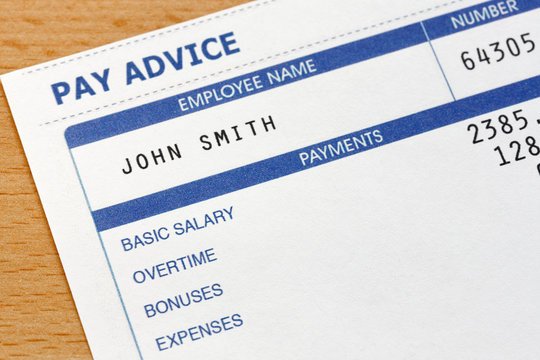
Your salary slip is more than just a piece of paper with numbers. It is a legal document, a financial record, and a window into your earnings, deductions, and tax obligations. Yet, many working professionals in India glance at their payslip once a month without truly understanding what each line item means. Decoding it correctly can help you plan your finances better, reduce taxes, and even negotiate smarter during appraisals.
Let’s break down the major components of an Indian salary slip and what each one means for your take-home pay.
1. Basic Salary
What it means: The fixed component of your salary, usually 35–50% of your total CTC (Cost to Company). It forms the foundation for other allowances and deductions.
Impact: Fully taxable under Income Tax. A higher basic salary increases your provident fund contribution but also your taxable income.
Read more about tax-saving strategies here.
2. House Rent Allowance (HRA)
What it means: An allowance given to employees who live in rented accommodations.
Tax benefit: You can claim exemption under Section 10(13A) if you pay rent. The exemption depends on your salary, actual rent paid, and city of residence (metro vs non-metro).
Learn how to calculate HRA exemption.
3. Special Allowances
What it means: A flexible part of your salary, often a balancing figure after other components are structured.
Impact: Fully taxable. Some companies allow you to restructure this into tax-friendly allowances.
4. Conveyance Allowance
What it means: Previously exempt up to ₹1,600 per month, but after the introduction of Standard Deduction, this allowance is fully taxable.
Impact: Often merged into Special Allowances by employers.
5. Medical Allowance / Reimbursements
What it means: Earlier, employees could claim tax exemption on medical reimbursement up to ₹15,000 annually. Post-2018, this has been subsumed under the Standard Deduction of ₹50,000.
Impact: Now usually appears as a taxable allowance.
6. Leave Travel Allowance (LTA)
What it means: Covers travel expenses within India for you and your family.
Tax benefit: Exempt twice in a block of four years, but only for travel fare (not accommodation or food).
Check eligibility for LTA tax benefits.
7. Provident Fund (PF)
What it means: Both employee and employer contribute 12% of basic salary + DA (Dearness Allowance) towards EPF.
Impact: Your contribution qualifies for deduction under Section 80C (up to ₹1.5 lakh). Employer’s contribution is tax-free up to 12% of your basic salary.
Read a detailed guide on Provident Fund here.
8. Professional Tax
What it means: A state-level tax on employment. The amount varies by state but is capped at ₹2,500 annually.
Impact: Deductible from taxable income under Section 16.
9. Income Tax / TDS (Tax Deducted at Source)
What it means: Your employer deducts income tax based on your estimated annual salary and declared investments.
Impact: Appears as TDS on your payslip. You can adjust it by submitting tax-saving investment proofs.
10. Performance Bonuses / Incentives
What it means: Variable pay linked to individual or company performance.
Impact: 100% taxable in the year it is received. Not a fixed component of your salary.
11. Cost to Company (CTC) vs In-Hand Salary
CTC: Includes every benefit your employer provides — from your basic pay to PF, gratuity, insurance, and even meal coupons.
In-hand salary: The actual amount credited to your bank account after deductions.
Read more about the difference between CTC and Take-Home.
Why You Should Understand Your Salary Slip
- Tax planning: Knowing exemptions and deductions helps minimize tax outgo.
- Negotiations: During appraisals, you can ask for restructuring towards tax-efficient allowances.
- Loan applications: Salary slips are often required for credit cards, home loans, and personal loans.
- Legal proof: Serves as income proof for visa applications, employment verification, and government filings.
Your salary slip is not just an HR formality — it’s a blueprint for your financial life. The more you understand it, the smarter you’ll be with your money.
Next step: If you want to go deeper into financial literacy, check out My First Lakh for practical guides on saving, investing, and building your first ₹1,00,000 and beyond.
