

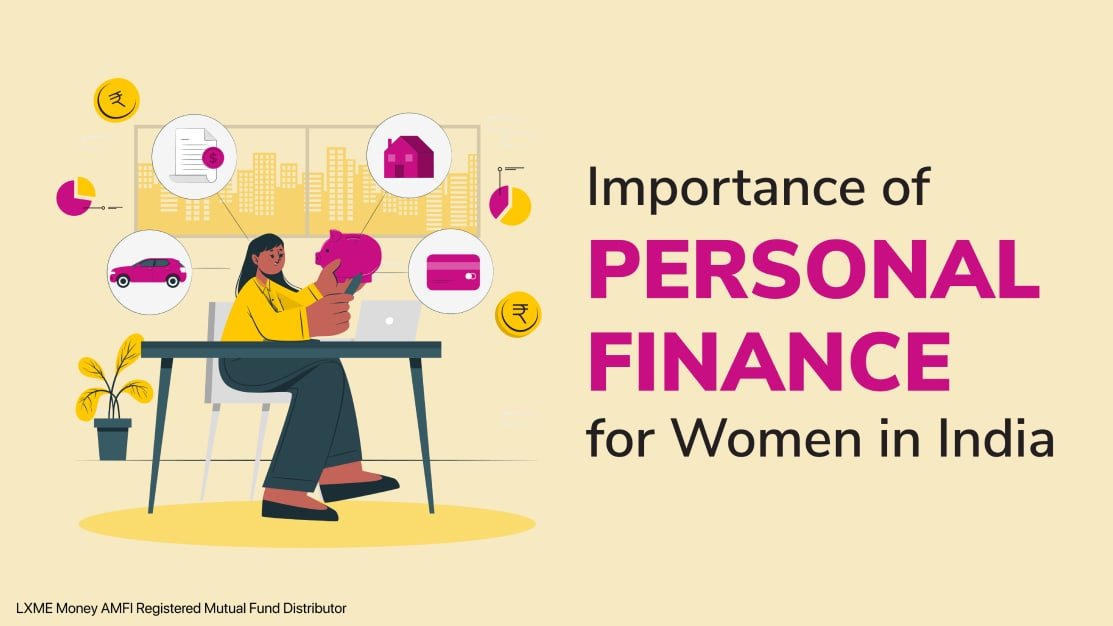
Many Indian households still believe that money management is the man’s job. But the truth is – housewives are the real CFOs of the family! From stretching budgets to planning groceries, they already manage finances daily. The next step? Learning how to save, invest, and grow money.
This guide is specially written for Indian housewives – simple to follow, practical, and India-focused.
Why Housewives Should Manage Personal Finance
- Financial independence – not relying only on husband’s income.
- Emergency readiness – money at hand if needed.
- Future planning – children’s education, family goals, retirement.
- Confidence boost – knowing you have your own savings and investments.
Step 1: Start With Saving
Even a small amount set aside regularly makes a big difference.
- Post Office Recurring Deposit (RD) – start with as little as ₹100 per month.
- Piggy bank method – create a “Monthly Savings Box” and put away ₹50–₹100 every week to build the habit.
- Women’s savings accounts – banks like SBI, ICICI, and HDFC offer women-only accounts with benefits like free insurance and higher withdrawal limits.
Step 2: Explore Safe Investment Options
Start with low-risk, easy-to-manage options before moving to advanced ones.
Bank & Post Office Schemes
- Post Office Monthly Income Scheme (POMIS) – fixed monthly returns, good for predictable income.
- Senior Citizen Savings Scheme (SCSS) – for those above 60 years, higher interest than FD.
- Recurring Deposits (RD) – fixed monthly savings with guaranteed interest.
Government Schemes (For Women & Children)
- Sukanya Samriddhi Yojana (SSY) – for a girl child’s future, high interest and tax-free.
- Public Provident Fund (PPF) – 15-year savings plan, safe and tax-free returns.
Gold & Digital Gold
- Sovereign Gold Bonds (SGB) – safe, earns interest, and no storage worries.
- Gold ETFs – available via apps like Zerodha or Groww, better than buying jewelry.
Step 3: Modern Investment Options
If you are comfortable using mobile apps, explore simple modern options:
- Mutual Funds via SIP – start with ₹500/month.
- Index Funds / ETFs – track the stock market without picking individual stocks.
- Digital Fixed Deposits – open FDs online with banks anytime.
Step 4: Build an Emergency Fund
Keep 3–6 months’ worth of household expenses in a separate savings account. Use only for medical needs, job loss, or other urgent expenses.
Step 5: Learn & Stay Aware
Knowledge is power. Use these free resources to improve financial literacy:
- RBI Financial Education Portal
- NISM Free Courses (National Institute of Securities Markets)
- YouTube channels: CA Rachana Phadke Ranade, Pranjal Kamra
- Apps: ET Money, Groww, Kuvera
Quick Tips for Housewives
- Start small, but start early.
- Use apps but never share OTPs or passwords.
- Discuss with your spouse but maintain your own account too.
- Reinvest interest or returns to grow faster.
- Avoid “too good to be true” schemes – stick to banks, post offices, or SEBI-regulated products.
Final Word
Housewives already manage households brilliantly. By applying the same skills to money management, they can create security, independence, and even wealth. Remember – it’s not about how much you save, but how consistently you do it.
